

Your bathroom faucet won't stop dripping, and it's driving you crazy at 2 AM.
Here's the good news: that annoying sound represents a perfect DIY plumbing repair opportunity.
Beyond disturbing your sleep, that constant drip wastes water and sends your hard-earned money straight down the drain.
Florida plumbing professionals actually encourage homeowners to tackle certain repairs themselves.
You'd be surprised which fixes we recommend you try before calling for help. A small leak might seem harmless, but it can spike your water bill significantly when left alone.
The smart approach?
Handle these common household plumbing issues yourself and save money while stopping bigger problems before they start.
At I Need The Plumber & AC, we know some minor plumbing issues don't need professional hands. These simple fixes can cut your water costs while keeping everything up to residential Florida plumbing codes.
Of course, certain jobs require expert attention - tankless water heaters need annual professional maintenance to keep running properly.
Want to save a service call and keep your plumbing system running like clockwork?
Here are 10 professional-approved repairs that make perfect sense for Florida homeowners to handle themselves.
Fix a Leaky Faucet
That persistent sink drip costs you more than sleep - it's literally money going down the drain. A faucet dripping once per second wastes approximately five gallons daily, which adds up to thousands of gallons each year.
What is a leaky faucet
A leaky faucet keeps water flowing even after you've shut the handle completely. This household headache usually starts with worn internal parts like washers, O-rings, valve seats, or cartridges. The problem goes beyond that annoying drip sound. Leaks stain your fixtures, damage cabinets underneath, and bump up your water bills. Worse yet, the constant moisture creates perfect conditions for mold growth, which can cause health problems for kids and elderly family members.
Tools needed for fixing a leaky faucet
Get these items ready before you start:
- Adjustable wrench
- Screwdriver set (flathead and Phillips)
- Needle-nose pliers
- Replacement parts (washers, O-rings, cartridges)
- Plumber's grease
- Teflon tape
- Small container for parts
- Towel to cover drain
Step-by-step instructions to fix a leaky faucet
- Find where it's leaking: Check if water drips from the spout, handle, or base. For spout drips, figure out which handle controls the leaking water (hot or cold).
- Turn off the water: Turn those valves under the sink clockwise until they're tight. Run the faucet to drain any leftover water.
- Protect your drain: Put a towel or stopper over the drain so you don't lose tiny parts.
- Take off the handle: Pop off any decorative cap, unscrew the handle screw, and pull the handle off.
- Get to the inside parts: Remove the packing nut with your adjustable wrench, then pull out the stem or cartridge.
- Check and swap worn parts: Look for damaged washers, O-rings, or cartridges, and replace them.
- Put it back together: Reassemble everything in reverse order, making sure everything lines up right.
- Test your work: Turn the water back on and check for leaks.
Running into trouble or feeling unsure about this repair? Call I Need The Plumber & AC today! Our Florida-licensed professionals can fix even the most stubborn faucet leaks quickly while making sure everything meets residential Florida plumbing codes.
Unclog a Slow Drain
Standing water in your shower tells a story. Your sink drains like molasses. These signs point to a slow drain that needs immediate attention before it turns into a complete blockage.
What is a slow drain
Slow drains happen when water exits your plumbing system slower than normal. Hair, soap scum, grease, and debris gradually build up inside your pipes, creating restrictions. Kitchen sinks battle hardened grease, while bathroom drains fight hair and soap buildup. Left alone, these slow drains create standing water that leads to mold growth, foul odors, and eventually complete blockages.
Tools needed for unclogging a slow drain
Get these tools ready before you start:
- Plunger (cup-style for sinks)
- Drain snake or auger
- Zip-it tool for hair removal
- Bucket for water collection
- Baking soda and vinegar
- Kettle for boiling water
- Dish detergent (Dawn® works best)
- Rubber gloves for protection
Step-by-step instructions to unclog a slow drain
- Start with boiling water: Pour a full kettle of boiling water straight down the drain. This melts soap scum and loosens minor clogs.
- Try the baking soda and vinegar method:
- Pour ½ cup baking soda down the drain
- Add 1 cup vinegar mixed with 1 cup hot water
- Cover with a plug for 10 minutes
- Flush with boiling water
- Use plunger power:
- Remove standing water first
- Cover the drain opening completely
- Push up and down vigorously for 30-60 seconds
- Test the water flow
- Deploy the drain snake for tough clogs:
- Insert snake into drain opening
- Rotate clockwise while pushing deeper
- Feel resistance? Keep rotating to break through
- Pull out slowly, bringing debris with you
Stubborn clogs that resist these DIY methods need professional attention to avoid pipe damage. Call I Need The Plumber & AC today! Our Florida-licensed technicians handle even the toughest blockages while keeping everything up to residential Florida plumbing codes.
Prevention beats repair every time. Install drain strainers and clean regularly to keep your drains flowing freely.
Replace a Showerhead
Morning showers shouldn't feel like disappointing drizzles. Swapping out that old, tired showerhead ranks among the easiest DIY plumbing repairs you can tackle - and the payoff is immediate. Modern showerheads deliver better water pressure while actually using less water than those older models.
What is a faulty showerhead
Your showerhead is telling you it needs replacement through several clear signs: water sprays unevenly, leaks develop at the connection point, or mineral buildup clogs the spray holes completely. Showerheads that have served faithfully for 8-10 years often show their age through corrosion or visible cracks, making them prime candidates for an upgrade. Beyond the frustration of poor water flow, a failing showerhead wastes water and can actually increase your monthly bills.
Tools needed to replace a showerhead
Get these items ready before you start:
- New showerhead that matches your preferences
- Adjustable wrench or pliers
- Teflon tape (plumber's tape works perfectly)
- Clean cloth or towel
- Wire brush for cleaning threads
- Optional: strap wrench for really stubborn connections
Step-by-step instructions to replace a showerhead
- Protect your work area first: Drop a towel in the tub and cover that drain - small parts love to disappear when you need them most.
- Remove the old showerhead: Try turning it counterclockwise by hand. If it's being stubborn, wrap the connection with a cloth to protect the finish, then use your adjustable wrench.
- Clean those shower arm threads: Use your wire brush to remove old tape, rust, or mineral deposits from the threads.
- Wrap with fresh Teflon tape: Wind the tape clockwise around the threads 2-3 times, pressing it down as you go.
- Install your new showerhead: Hand-tighten clockwise until it feels snug. Don't overtighten - you can crack the connection.
- Test your handiwork: Turn on the water and check for leaks at the connection. If you spot any drips, add more tape and tighten just a bit more.
This simple upgrade follows Florida residential plumbing codes and delivers instant results. If you run into complications, I Need The Plumber & AC can provide expert assistance with any DIY home plumbing repair challenges.
Fix a Running Toilet
Water running nonstop in your toilet tank isn't just driving you nuts - it's literally flushing money down the drain every single minute. A running toilet can waste up to 200 gallons of water daily, making this one DIY plumbing repair you can't afford to ignore.
What is a running toilet
Your toilet keeps running when water won't stop flowing from the tank into the bowl after you flush. This frustrating problem usually comes from a few common culprits: a warped flapper that can't seal properly, a fill valve that won't shut off when it should, or a float that's sitting in the wrong position. You might also be dealing with a flapper chain that's too tight or too loose, or even a cracked overflow tube. Beyond being incredibly annoying, a running toilet will send your water bill through the roof if you don't fix it.
Tools needed to fix a running toilet
Get these basic tools ready before you start:
- Adjustable wrench
- Pliers
- Hacksaw (if you need to adjust the overflow pipe)
- Rubber gloves
- Replacement parts (new flapper or fill valve if needed)
- Towels for cleanup
- Sponge for soaking up leftover water
Step-by-step instructions to fix a running toilet
- Figure out what's wrong: Pop off the tank lid and listen carefully. Hear water running constantly? You're probably looking at a flapper or fill valve problem.
- Test the flapper: Grab a stick and press down on the flapper while the toilet's running. Does the running stop? Bingo - your flapper isn't sealing like it should.
- Replace a bad flapper:
- Turn off the water valve behind your toilet
- Flush to empty most of the tank water
- Unhook the old flapper and swap in the same type
- Hook the chain back to the flush lever with just a little slack
- Check your fill valve:
- Flush and watch for water leaking from the fill valve
- Lift the float arm - if the water stops, your float needs adjusting
- Bend the float arm so water stops about an inch below the overflow pipe
- Replace the fill valve if you have to:
- Turn off water and flush
- Disconnect the water supply line
- Pull out the old fill valve and install your new one
- Hook up the fill tube and test everything
Making sure your repairs follow Florida residential plumbing codes keeps everything safe and up to standard. Hit a snag or feeling unsure? Call I Need The Plumber & AC today! Our Florida-licensed technicians can tackle even the most stubborn running toilet problems while making sure everything meets code.
Seal a Small Pipe Leak
You just discovered water dripping under your kitchen sink. Don't panic - this doesn't automatically mean you need emergency plumbing service. Small pipe leaks can often be sealed with straightforward DIY plumbing repairs that save you time and money.
What is a small pipe leak
Small pipe leaks show up as hairline cracks, tiny pinholes, or slow drips at pipe joints and straight sections. You'll typically find these problems at threaded connections or where pipes meet fixtures after minor damage occurs. Watch for damp patches on walls or ceilings, mold growth, or your water bill creeping up unexpectedly. These seemingly minor issues waste water daily and will grow into expensive plumbing headaches when you ignore them.
Tools needed to seal a pipe leak
Get these items ready before you start:
- Pipe repair tape (plumber's tape or Teflon tape)
- Self-fusing silicone tape
- Epoxy putty
- Adjustable wrench
- Clean cloth or wire brush
- Pipe repair clamp (for slightly larger leaks)
- Bucket to catch dripping water
- Towel for cleanup
Step-by-step instructions to seal a pipe leak
- Shut off the water supply immediately by finding the nearest shut-off valve and turning it clockwise until tight.
- Drain the pipe completely by opening faucets connected to that water line.
- Clean the leak area thoroughly using a wire brush or cloth to remove dirt, rust, or any residue.
- Pick your repair method based on what type of leak you're dealing with:
- Threaded connections: Wrap plumber's tape 6-10 times in the direction of the threading.
- Small cracks: Knead epoxy putty until it's workable, then press it firmly over the leak.
- Pinhole leaks: Stretch self-fusing silicone tape tightly around the pipe, overlapping each wrap.
- Let it cure properly according to the product instructions before turning water pressure back on.
- Test your work by slowly restoring water flow and checking for any continued leaking.
Running into trouble with Florida residential plumbing code compliance? Call I Need The Plumber & AC today! We handle the tricky repairs so you don't have to worry about damaging your pipes or creating bigger problems.
Install Drain Strainers
https://youtu.be/iQaDgfc-MYI?si=1AoHNaTrOz6q7lTY
Prevention beats expensive repairs every time. Drain strainers are one of those simple, smart investments that Florida plumbing professionals absolutely love to see homeowners use.
What are drain strainers
Drain strainers are perforated metal screens that stop solid debris like food scraps, hair, and coffee grounds from entering your plumbing system. These little devices work wonders at preventing clogged sinks while cutting down on bacteria buildup. You can install them in kitchen sinks, bathroom drains, and showers to catch troublemakers before they create costly plumbing headaches.
Tools needed to install drain strainers
Get these basics together before you start:
- Plumber's putty or silicone sealant
- Adjustable wrench
- Clean cloth or towel
- Replacement drain strainer
- Bucket (to catch water)
Step-by-step instructions to install drain strainers
- Set up your workspace by placing a bucket under the sink to catch any water.
- Roll plumber's putty into a rope shape and wrap it around the sink drain opening.
- Press the strainer down firmly into the putty, making sure it spreads out evenly.
- Working from underneath, slide on the rubber gasket and then the friction ring.
- Thread on the locknut and tighten until snug - don't overdo it.
- Clean off any extra putty and run water to check for leaks.
This straightforward DIY repair protects your Florida home's plumbing system while saving you money down the road. Keep your new strainers clean, and they'll keep protecting your pipes for years to come.
Replace a Toilet Flapper
Want to stop up to 200 gallons of water daily from silently draining your wallet? That little rubber flapper in your toilet tank might be the culprit. This simple rubber seal ranks as one of the easiest DIY plumbing repairs you can tackle in your Florida home.
What is a toilet flapper
Your toilet flapper works as a rubber gate that controls water flow from the tank into the bowl when you flush. This round component sits at the bottom of your toilet tank, creating a tight seal when closed. Time takes its toll on these rubber parts - they crack, warp, and lose their sealing ability, causing incomplete flushes or that annoying sound of water constantly running. Most flappers last about five years before they need replacing.
Tools needed to replace a toilet flapper
Grab these basic items for this quick repair:
- New toilet flapper (match your current size)
- Bucket or small cup
- Towel or sponge
- Rubber gloves (optional)
- Pliers or scissors (for chain adjustment)
Step-by-step instructions to replace a toilet flapper
- Turn off the water supply valve behind your toilet.
- Flush once to empty most tank water.
- Unhook the flapper chain from the flush lever.
- Pop the old flapper off the overflow tube pegs.
- Wipe the flush valve seat clean of any gunk.
- Snap the new flapper onto the pegs.
- Hook up the chain with just a little slack for smooth operation.
- Turn water back on and test with a flush.
We place our customers as our top priority and back our services with 100% satisfaction guarantees. For stubborn toilet problems, I Need The Plumber & AC ensures all repairs meet Florida residential plumbing codes.
Flush a Water Heater
Your water heater works hard behind the scenes, but sediment buildup quietly steals its efficiency and shortens its life. This yearly maintenance task keeps hot water flowing reliably while protecting your investment in your Florida home.
What is water heater flushing
Water heater flushing means draining your tank completely and running fresh water through it to wash out accumulated sediment. Minerals in your water supply naturally harden and settle at the tank bottom as water heats. These deposits act like insulation, forcing your heating element to work overtime and potentially fail early. Homes with hard water (high mineral content) need flushing more often.
Tools needed to flush a water heater
Get these ready before you start:
- Garden hose (long enough to reach outside or a drain)
- Bucket or container
- Adjustable wrench
- Flathead screwdriver
- Towel for cleanup
Step-by-step instructions to flush a water heater
- Turn off power: Gas heaters get set to "pilot"; electric units get switched off at the breaker.
- Let it cool: Give your tank several hours to cool down and prevent scalding.
- Stop water supply: Close the cold water valve on top of the tank.
- Hook up hose: Connect your garden hose to the drain valve at the bottom.
- Open pressure relief valve: This stops vacuum formation during draining.
- Drain and flush: Open the drain valve and let water flow until it runs clear.
- Fill and restart: Close everything up, remove the hose, turn water back on, and restore power.
Water heater maintenance keeps your Florida home running smoothly. If you need help - Call I Need The Plumber & AC today! Our expertise ensures your maintenance meets Florida residential plumbing codes.
Clean a P-Trap
That mysterious U-shaped pipe hiding beneath your sink does more heavy lifting than you might think. We see homeowners overlook this small but mighty component until drainage problems and funky smells start causing headaches.
What is a P-trap
A P-trap is a U-shaped pipe located underneath sinks, showers, and other plumbing fixtures. This curved section serves two essential purposes: it creates a water barrier that prevents sewer gasses from entering your home and catches debris that might otherwise clog your plumbing system. Most P-traps in Florida homes are made of either PVC plastic or metal, with kitchen installations often featuring metal for esthetic reasons.
Tools needed to clean a P-trap
Gather these basics for this straightforward DIY plumbing repair:
- Bucket or dish pan to catch water and debris
- Adjustable wrench or channel lock pliers
- Flexible wire brush for cleaning the interior
- Old towels or rags for spill cleanup
- Optional: Teflon tape for reinstallation
Step-by-step instructions to clean a P-trap
- Place your bucket beneath the P-trap to catch water.
- Leave the water faucet off - no need to shut off the main supply.
- Hold connecting pipes steady while unscrewing the slip nuts at both ends of the trap.
- Carefully remove the P-trap and empty contents into your bucket.
- Scrub thoroughly using a flexible wire brush until no residue remains.
- Reassemble by aligning properly - long end facing front, short end in back.
- Hand-tighten nuts, then give a quarter turn with pliers.
- Test by running water for 15 seconds to check for leaks.
This simple maintenance task prevents bigger drainage headaches and keeps unpleasant odors at bay. Regular P-trap cleaning every few months helps your plumbing system run smoothly without expensive service calls.
Install a New Faucet
Your kitchen faucet has seen better days, and you're tired of wrestling with that wobbly handle every morning. Installing a new faucet ranks among the most satisfying DIY plumbing repairs you can tackle - and Florida professionals actually encourage homeowners to give it a shot.
What is faucet installation
Faucet installation means swapping out your old, tired fixture for a shiny new one that actually works properly. You'll need to match your new faucet to your sink's hole setup and connect everything to your water supply lines. Beyond making your kitchen or bathroom look fantastic, a new faucet stops those annoying leaks, improves water flow, and gives you features that actually work.
Tools needed to install a faucet
Get these tools ready before you start:
- Basin wrench (absolutely essential for those hard-to-reach nuts)
- Adjustable wrench
- Screwdrivers (Phillips and flathead)
- Plumber's tape
- Bucket and rags for catching water
- Silicone sealant or plumber's putty
- Flashlight
Step-by-step instructions to install a faucet
- Shut off both water valves under the sink completely.
- Use your basin wrench to disconnect the old supply lines.
- Remove the mounting nuts that hold the old faucet in place.
- Clean the sink surface thoroughly - no shortcuts here.
- Apply sealant exactly where the manufacturer tells you to.
- Insert the new faucet through the mounting holes.
- Secure everything from underneath using the hardware that came with your faucet.
- Connect the supply lines and wrap those threads with Teflon tape.
- Turn the water back on slowly and watch for leaks.
- Remove the aerator and flush the lines to clear any debris.
Here's the golden rule: snug is good, over-tight breaks things.
Need expert guidance to make sure your installation meets Florida residential plumbing codes? I Need The Plumber & AC provides professional support when you need it most.
Replace a Sink Sprayer
Your kitchen sink sprayer decides to quit right when you're scrubbing that stubborn casserole dish. Sound familiar? Replacing this handy kitchen helper ranks among the easiest DIY plumbing repairs you can tackle on a Saturday morning.
What is a sink sprayer
A sink sprayer extends your cleaning reach right from your kitchen faucet. These retractable attachments commonly fail from rusting, clogging, water supply issues, or plain old wear and tear. When your sprayer starts sputtering or leaking, it disrupts your daily kitchen routine and wastes water with every use.
Tools needed to replace a sink sprayer
Grab these basics for this quick project:
- Adjustable wrench
- Adjustable pliers or basin wrench
- Pipe thread tape
- New sink sprayer kit
- Towel to protect sink surface
- Bucket for catching water
Step-by-step instructions to replace a sink sprayer
- Start by shutting off both water valves under the sink.
- Unscrew the old sprayer from your countertop.
- Disconnect the sprayer hose from beneath the sink.
- Apply plumber's putty around the base of your new sprayer.
- Insert the tailpiece through the sink opening.
- Connect the sprayer hose to the water diverter.
- Tighten everything snugly - but don't overdo it.
- Turn the water back on and test for leaks.
This project typically wraps up in under two hours, giving you a perfectly functioning sprayer that'll make kitchen cleanup a breeze again.
Use a Drain Snake
Your plunger gave up on that stubborn blockage, and you're ready for the next step. Time to bring out the drain snake - this flexible metal cable gets clogs that hide deep in your pipes where plungers can't reach.
What is a drain snake
Think of a drain snake (also called a plumbing auger) as your plumbing system's best friend for tough blockages. This tool features a coiled spring or corkscrew-shaped tip designed to break apart or retrieve clogs from pipes. Chemical drain cleaners might seem easier, but they can damage pipes over time. Drain snakes offer a mechanical solution that physically dislodges or removes blockages. You'll find different types available: manual hand-cranked augers, closet augers specifically for toilets, and powered electric models for tougher obstructions.
Tools needed to use a drain snake
Get these ready before you start:
- Appropriate drain snake (manual or electric)
- Bucket or shallow container
- Old towels or rags
- Rubber gloves
- Optional: plug wrench for tubs/showers
Step-by-step instructions to use a drain snake
- Remove any drain covers, stoppers, or P-traps if you can access them.
- Feed the snake's coiled end into the drain opening.
- Extend 6-12 inches of cable while turning the handle clockwise.
- Keep feeding until you hit resistance - that's your clog.
- Rotate the handle while gently pushing forward to break up the obstruction.
- Pull the snake back slowly, bringing debris with it.
- Run water to test if the clog cleared.
Try these steps three times. Still no luck? That's when you call I Need The Plumber & AC for professional assistance.
Quick Reference Guide
Need to know which repair makes the most sense for your situation? This handy comparison breaks down all 15 DIY plumbing repairs so you can pick the right project for your skill level and available time.
|
Repair Task |
Difficulty Level |
Common Tools Required |
Key Benefits |
Warning Signs |
|
Fix a Leaky Faucet |
Moderate |
Adjustable wrench, screwdrivers, pliers, replacement parts |
Saves 5 gallons water daily, prevents cabinet damage |
Dripping sound, stained fixtures |
|
Unclog a Slow Drain |
Easy |
Plunger, drain snake, baking soda, vinegar |
Prevents complete blockages, eliminates standing water |
Slow drainage, unpleasant odors |
|
Replace a Showerhead |
Easy |
Adjustable wrench, Teflon tape, clean cloth |
Improves water efficiency, better shower experience |
Irregular water flow, mineral buildup |
|
Fix a Running Toilet |
Moderate |
Adjustable wrench, pliers, replacement parts |
Saves up to 200 gallons daily |
Constant running sound, high water bills |
|
Seal a Small Pipe Leak |
Moderate |
Pipe repair tape, epoxy putty, wrench, cleaning tools |
Prevents water damage, saves money |
Damp patches, mold growth |
|
Install Drain Strainers |
Easy |
Plumber's putty, adjustable wrench, clean cloth |
Prevents clogs, reduces bacteria buildup |
Frequent drain clogs |
|
Replace a Toilet Flapper |
Easy |
New flapper, bucket, pliers |
Stops water waste, improves flush efficiency |
Incomplete flushes, running water |
|
Flush a Water Heater |
Moderate |
Garden hose, bucket, adjustable wrench |
Improves efficiency, extends appliance life |
Reduced hot water efficiency |
|
Insulate Exposed Pipes |
Easy |
Pipe insulation, utility knife, tape measure |
Reduces heat loss by 2°F-4°F, prevents freezing |
Condensation, temperature fluctuations |
|
Clean a P-Trap |
Easy |
Bucket, adjustable wrench, wire brush |
Prevents clogs, eliminates odors |
Slow drainage, sewer smells |
|
Install a New Faucet |
Moderate |
Basin wrench, adjustable wrench, sealant |
Improves functionality, fixes leaks |
Outdated fixture, persistent leaks |
|
Fix Low Water Pressure |
Complex |
Pressure gage, wrench, cleaning tools |
Restores proper water flow |
Weak water flow, sluggish fixtures |
|
Replace a Sink Sprayer |
Easy |
Adjustable wrench, pliers, Teflon tape |
Improves kitchen functionality |
Sputtering water, leaks |
|
Use a Drain Snake |
Moderate |
Drain snake, bucket, gloves |
Removes deep clogs without chemicals |
Persistent clogs, slow drainage |
|
Install Water Shut-Off Valve |
Complex |
Pipe wrench, adjustable wrench, Teflon tape |
Enables targeted repairs, prevents water damage |
Lack of control during repairs |
Start with the "Easy" repairs if you're new to DIY plumbing work. These projects build your confidence while delivering real results. Ready to tackle something more challenging? The "Moderate" repairs offer bigger savings with just a bit more effort.
Taking Control of Your Plumbing
These 12 DIY plumbing repairs put real money back in your pocket while teaching you how your home actually works. Sure, some fixes might feel intimidating at first glance, but you'd be amazed what you can accomplish with the right tools and a bit of patience. Every repair you tackle yourself stops small problems from turning into costly emergencies that nobody wants to deal with.
Your confidence builds with each successful project - whether you're fixing that annoying drip or swapping out a toilet flapper. The best part? Staying on top of regular maintenance keeps major plumbing disasters away from your door. Quick checks of your pipes, faucets, and fixtures help you catch trouble before it gets expensive.
Safety comes first, always. Water and electricity don't play nice together, so shut off power sources when you're working near electrical components. Florida residential plumbing codes aren't just red tape - they protect your home's value and keep your family safe.
Some jobs still need professional hands, no matter how handy you become. Main sewer lines, gas connections, and major repiping projects require specialized knowledge and equipment you probably don't have lying around. If you need help - Call I Need The Plumber & AC today! Our experienced technicians handle any plumbing challenge while keeping everything up to Florida's residential plumbing codes.
The real value here goes way beyond saving money on service calls. Knowledge from these projects helps you make smart decisions about your plumbing system for years ahead. Each repair adds to your practical skills toolbox - something that serves you well as long as you own your home.
Key Takeaways
These 12 DIY plumbing repairs can save Florida homeowners significant money while preventing minor issues from becoming major emergencies.
- Start with simple fixes first: Easy repairs like replacing toilet flappers and installing drain strainers require minimal tools but deliver maximum impact on water conservation and system protection.
- Know your limits for safety: While most homeowners can handle basic repairs, complex issues involving gas lines, main sewers, or electrical components require professional intervention.
- Proper tools make all the difference: Having the right equipment - adjustable wrenches, Teflon tape, and drain snakes - ensures successful repairs and prevents damage from improvised solutions.
- Water waste adds up quickly: A single leaky faucet wastes 5 gallons daily, while a running toilet can waste up to 200 gallons, making prompt repairs essential for your wallet.
Remember that Florida residential plumbing codes exist for your safety and home value protection. When in doubt, consulting with licensed professionals like I Need The Plumber & AC ensures your DIY efforts complement rather than compromise your plumbing system's integrity.

Why Trust I Need The Plumber and Air Conditioning
When it comes to trusting a local plumbing and HVAC company, I Need The Plumber and Air Conditioning stands out in Port St. Lucie for their unwavering dedication to customer satisfaction, professionalism, and integrity. With over 30 years of experience serving the community, this family-owned business has built a reputation for reliability, offering prompt service with two-hour appointment windows and clear communication before arrival. Their technicians are background-checked, highly trained, and committed to treating your home with respect—always leaving work areas clean and providing honest, upfront estimates with multiple repair options to fit your budget. Backed by 100% satisfaction guarantees and a passion for craftsmanship, I Need The Plumber and Air Conditioning combines the personalized attention of a smaller company with the expertise and resources needed to solve any plumbing or HVAC challenge, earning glowing reviews and the trust of countless local residents.
Meet the Founders: Maritza and Martin Carpenter
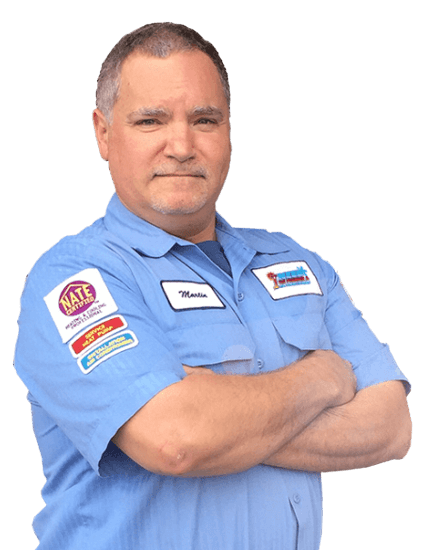
Martin Carpenter is the co-owner and managing member of I Need The Plumber & Air Conditioning in Port St. Lucie, Florida. With decades of experience in the trades, Martin is known for his meticulous approach to business management and customer service. He oversees operations, focusing on financial performance and technician training, and is credited with building the company from the ground up alongside his wife, Maritza. Martin’s leadership style emphasizes transparency, profitability, and treating every customer as if they’re the last, which has helped the company achieve impressive margins and a loyal customer base. After a significant health event, Martin shifted his focus from fieldwork to business strategy, ensuring the company’s continued growth and stability.
Maritza Carpenter is the co-owner and managing member of I Need The Plumber & Air Conditioning, where she manages the office and oversees all financial, administrative, and regulatory aspects of the business. With a professional background in accounting and corporate restructuring, Maritza brings high-level financial expertise to the company, handling everything from bookkeeping and inventory control to permitting and licensing. She is deeply involved in daily operations, booking the majority of service calls and supporting technician training. Maritza’s multifaceted role and dedication have been instrumental in the company’s success, providing a strong organizational backbone and ensuring smooth business operations.
Location:
I Need The Plumber & Air Conditioning serves homeowners and businesses throughout Port St. Lucie from their centrally located office on SE South Niemeyer Circle. Their expert plumbing and HVAC services reach customers across St. Lucie County and the surrounding areas, providing trusted solutions to the local community.
I Need The Plumber Core Services:
- AC Repair, Installation, and Maintenance: Due to Port St. Lucie’s hot, humid climate, air conditioning systems are essential and frequently require repair, replacement, or regular maintenance to keep homes comfortable and energy efficient.
- Drain Cleaning and Repair: Clogged and slow drains are a common issue, making drain cleaning and repair one of the most requested plumbing services.
- Leak Detection and Repair: Leaks can cause significant water damage and higher utility bills, so prompt leak detection and repair is a top priority for homeowners.
- Water Heater Repair and Installation: Reliable hot water is a necessity, and both repairs and new installations (including tankless and traditional systems) are in high demand.
- Pipe Repairs and Repiping: Aging infrastructure and pipe deterioration lead to frequent calls for pipe repairs and full repiping projects, especially in older homes.
- Toilet Repairs and Installations: Toilet issues are a routine plumbing concern, with repairs and replacements being regular service requests.
- Indoor Air Quality Solutions: As awareness grows about the impact of indoor air quality on health, more homeowners are seeking solutions like filtration systems and HVAC upgrades to improve air quality.
Connect With Us:
Phone: 772-362-2598
Socials: Facebook | X / Twitter | YouTube